 Standard
Folding carton
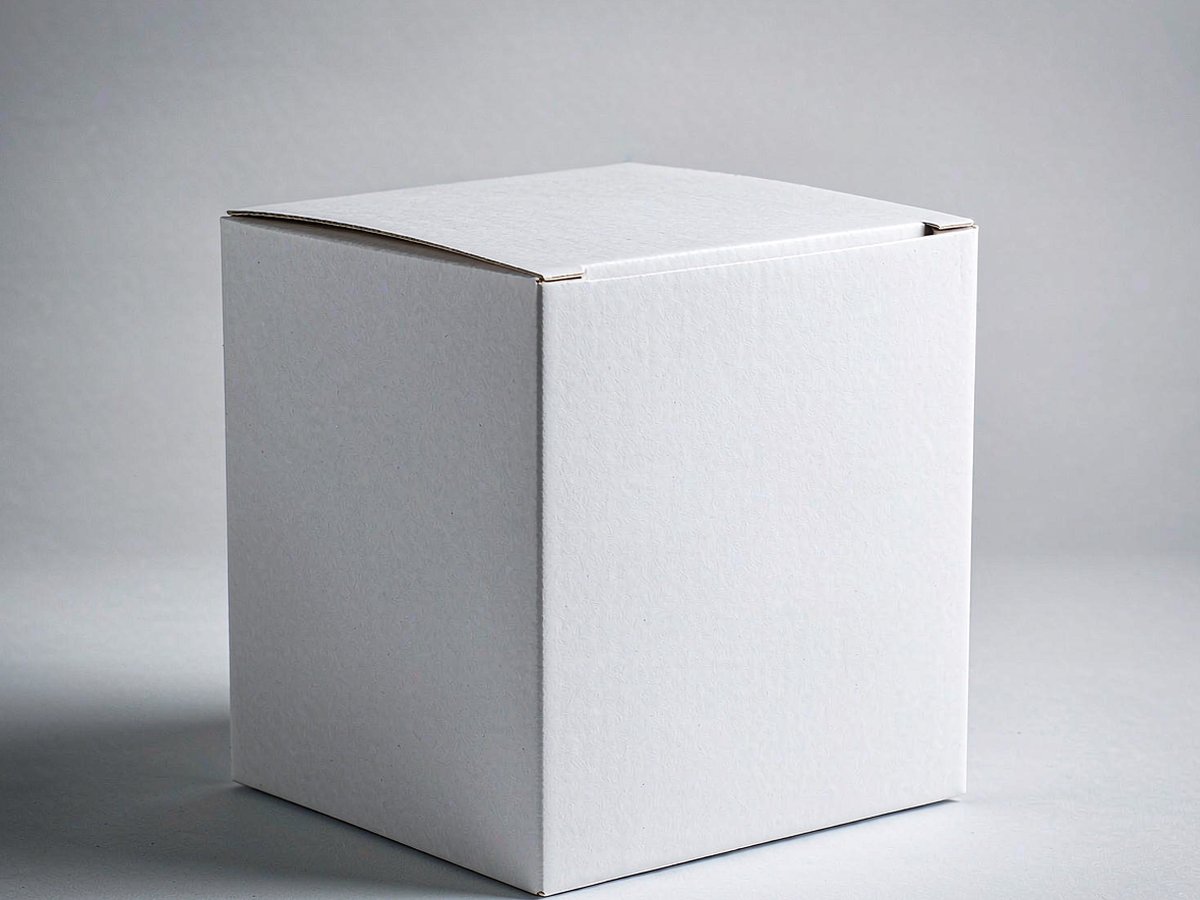
One-piece board, ships flat and erects in seconds. Straight tuck, reverse tuck, crash-lock or sleeve — the workhorse format for 90–120 count lines.
One folding carton, five rigid formats, four board grades, and the finishing list your designer will ask about. Everything on this page is what we actually run — not a capability brochure.
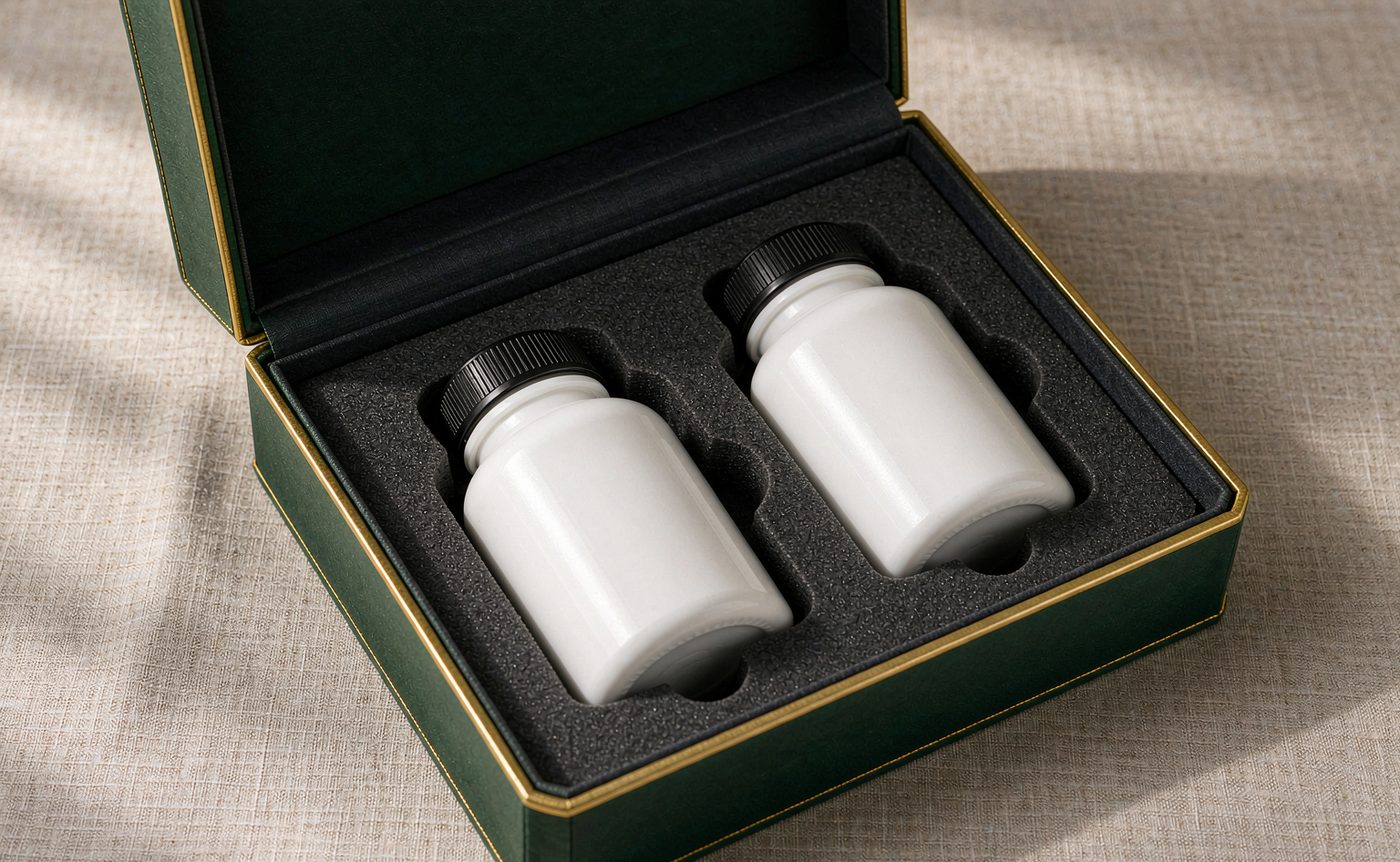
One folding carton on the standard line, five rigid formats on the premium line. All six run through the same prepress and QC — what changes is the board, the handwork and the lead time.
Standard
One-piece board, ships flat and erects in seconds. Straight tuck, reverse tuck, crash-lock or sleeve — the workhorse format for 90–120 count lines.
 Premium
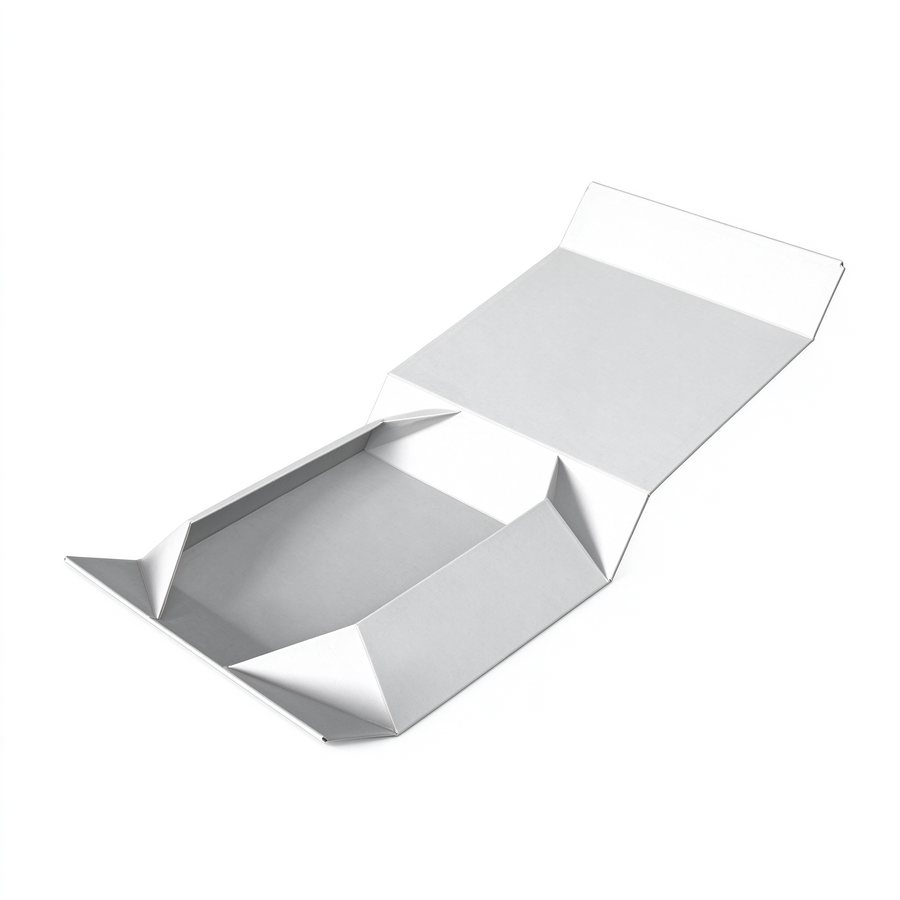
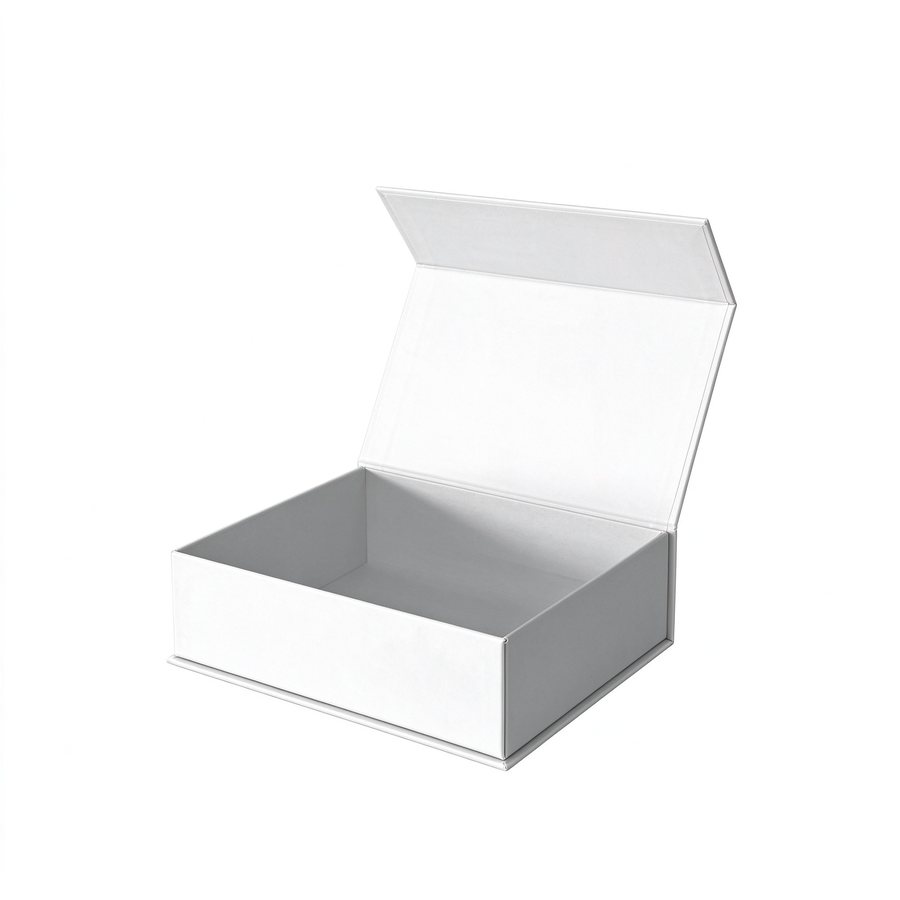
Rigid tray with a flat hinged lid and no skirt, so it opens like a book cover. The flattest profile in the rigid family — built for shallow gift sets and mailers.
 Premium
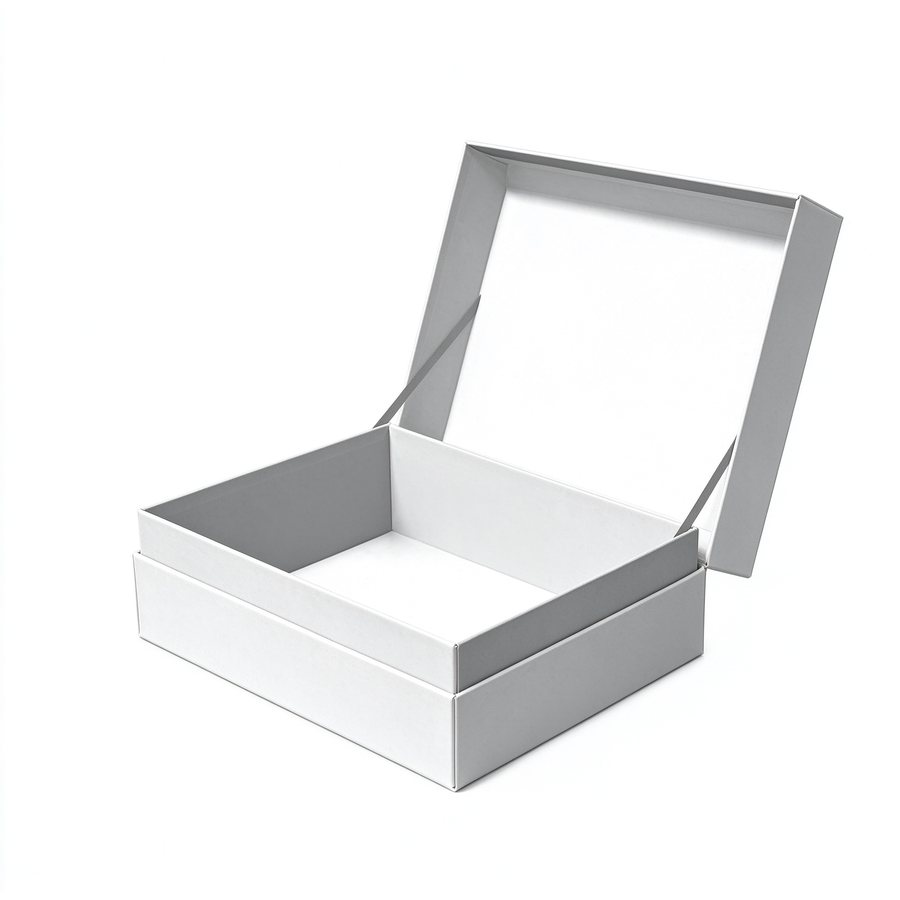
Rigid tray with a deep skirted lid, hinged at the back. The skirt wraps the base on three sides, so the closed box reads as a single seam line.
 Premium
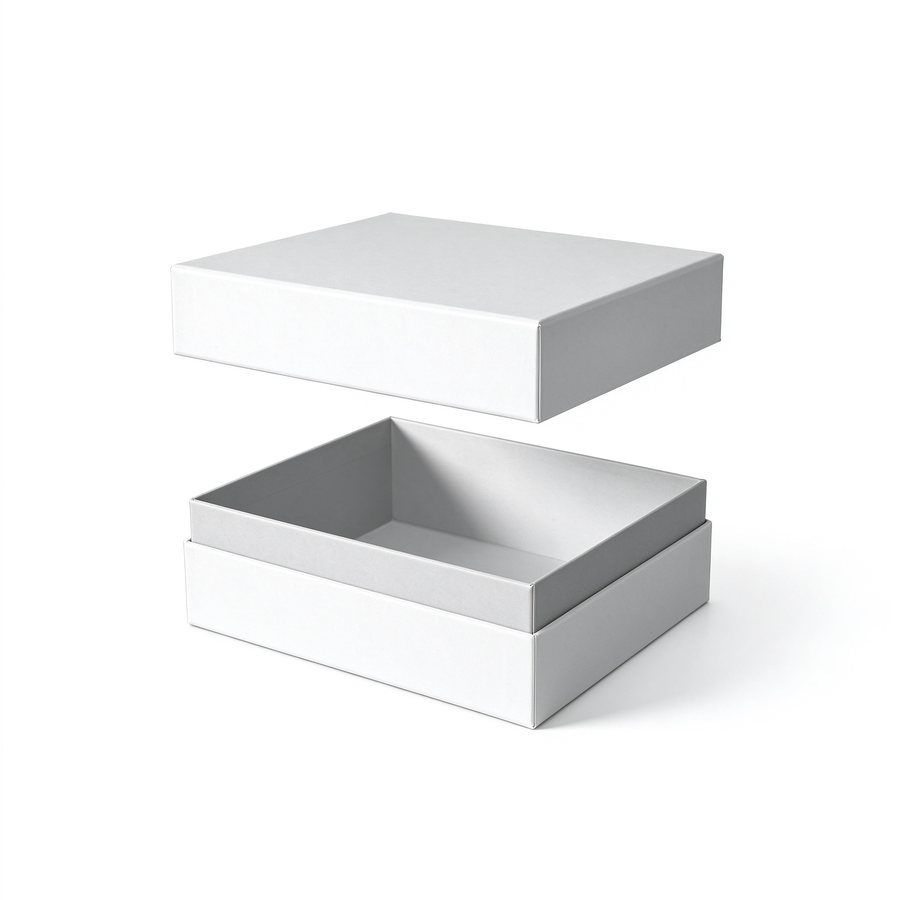
Two separate pieces: a shallow tray and a deep-skirted lid that lifts off entirely. The classic presentation format, usually fitted with a shoulder insert.
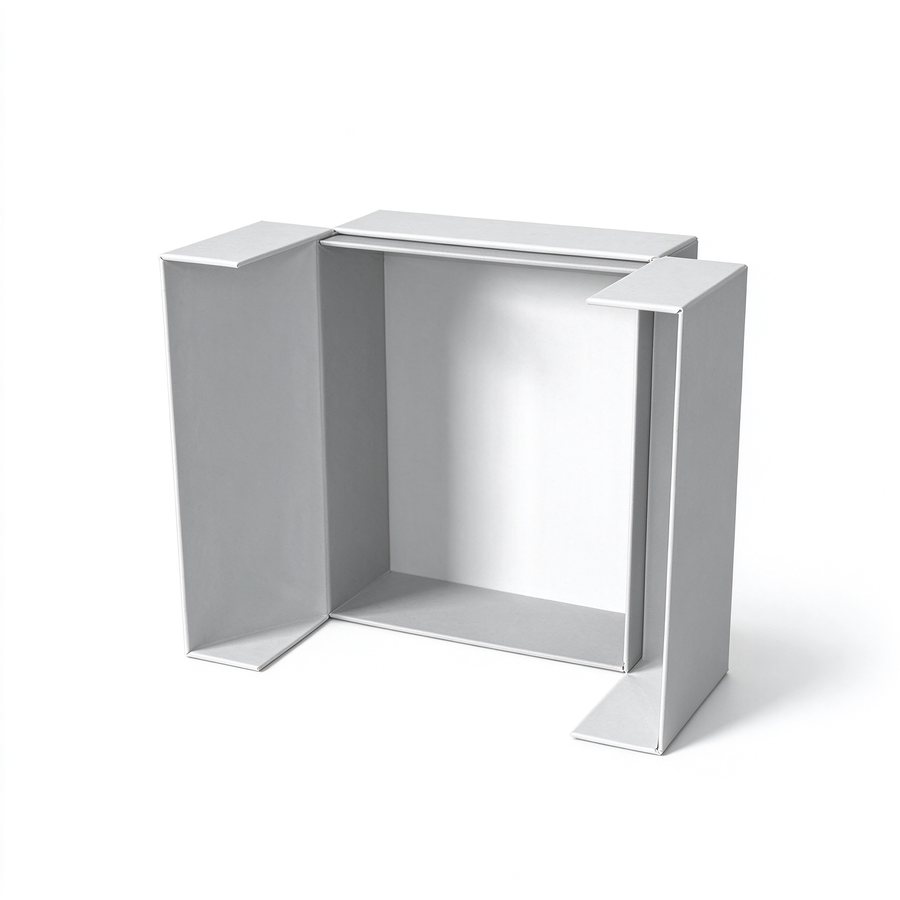 Premium
A rigid frame with two doors hinged left and right, meeting at the centre. Used for multi-bottle sets and subscription kits where the reveal is the point.
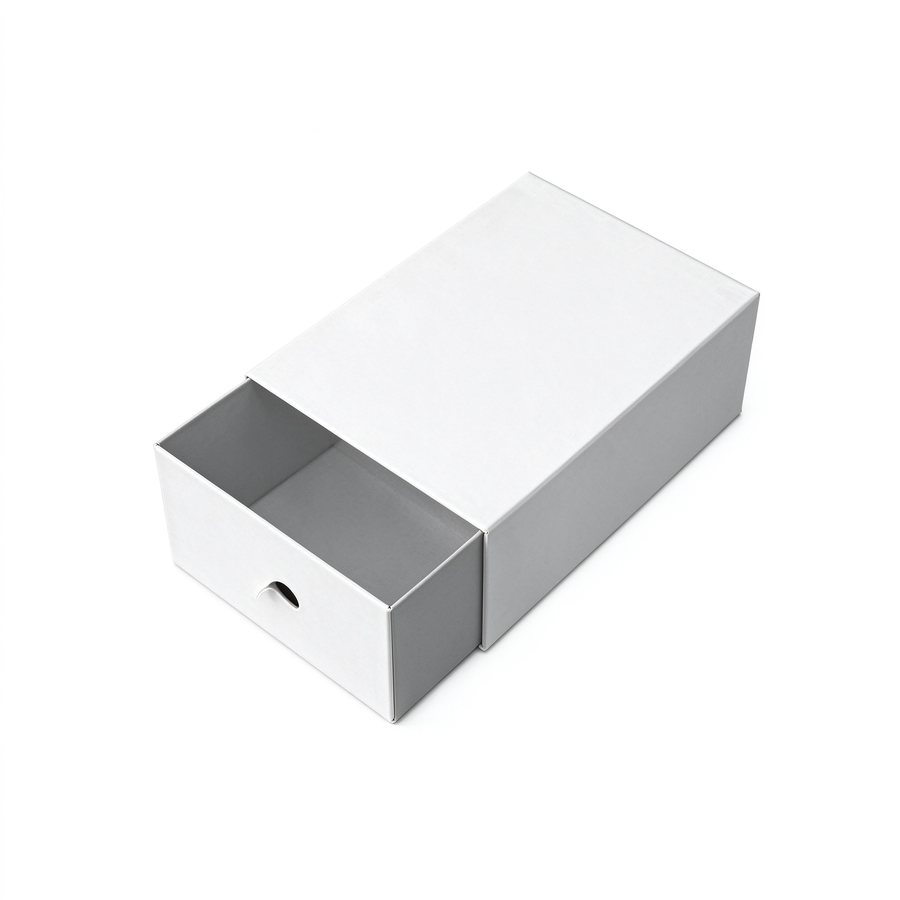 Premium
Printed outer sleeve over a sliding inner tray, with a finger notch or ribbon pull. Ships assembled, and the slide-out is the unboxing moment.
Every rigid format above can be fitted with hidden magnets, a ribbon pull or a moulded insert. Tell us how it should open, and we quote the closure as part of the box — not as an extra.
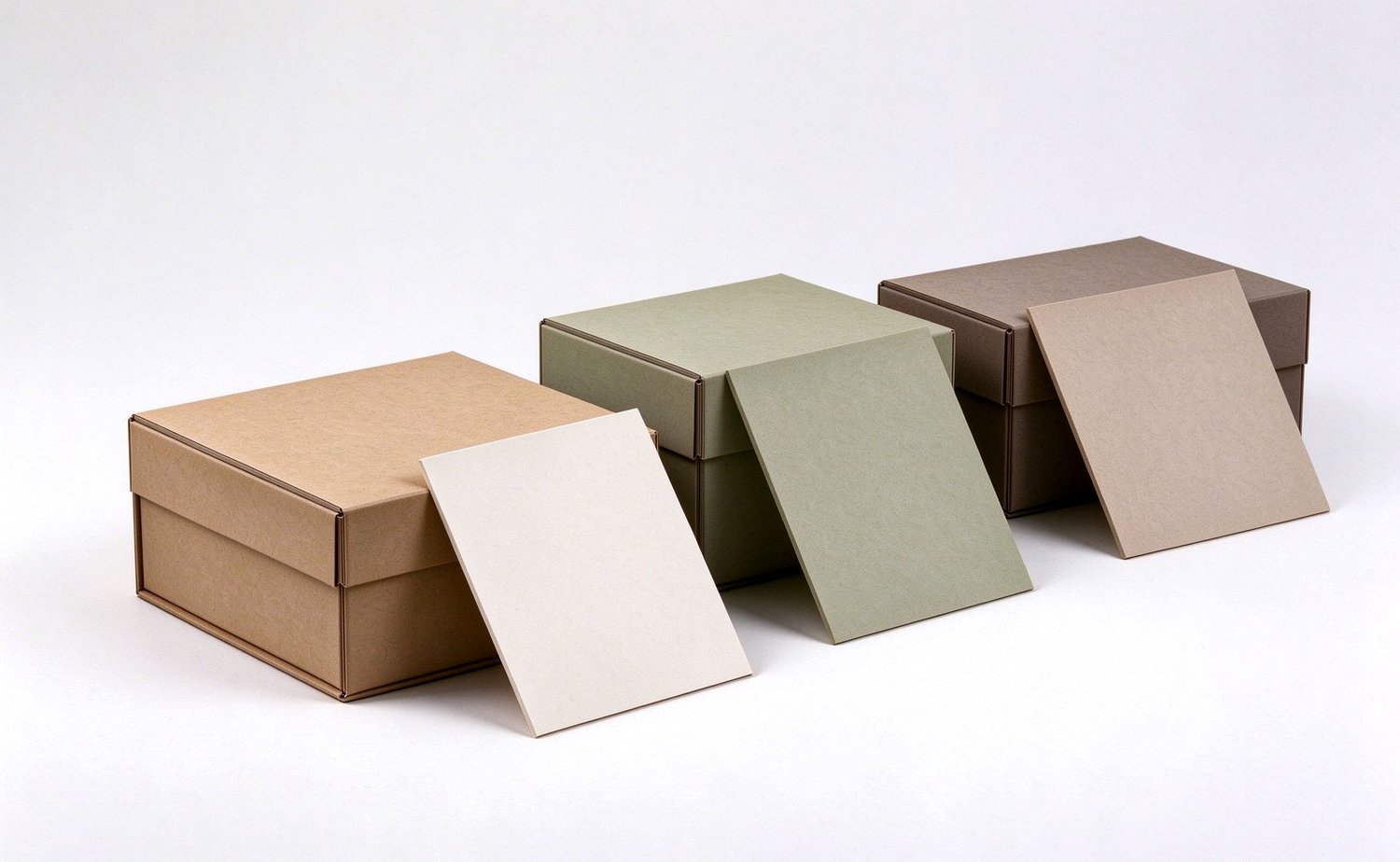
Board choice drives three things: how the carton feels in the hand, how it survives a mailer, and whether your buyer's compliance team will accept it.
| Grade | Caliper | Use it for |
|---|---|---|
| White card (SBS/FBB) | 300 / 350 / 400 gsm | Supplements, nutraceuticals, pharma secondary. Best print fidelity and brightness. |
| Kraft board | 250 / 300 gsm | Natural and organic positioning. Uncoated surface, warmer print. |
| Coated recycled board | 350 / 400 gsm | Cost-sensitive runs where the print is simple. |
| Grey board | 1.5 / 2.0 / 2.5 mm | Rigid box shells, wrapped in printed paper. |
| E-flute corrugated | 1.5 mm | Mailer boxes and shipping outer. |
Our default for supplement cartons is 350 gsm white card. It holds a 120 cc bottle without bulging at the crease, and it takes soft-touch lamination without cockling. Drop to 300 gsm only for small 30–60 cc cartons.
350 gsm white card, matte lamination, 4C offset.
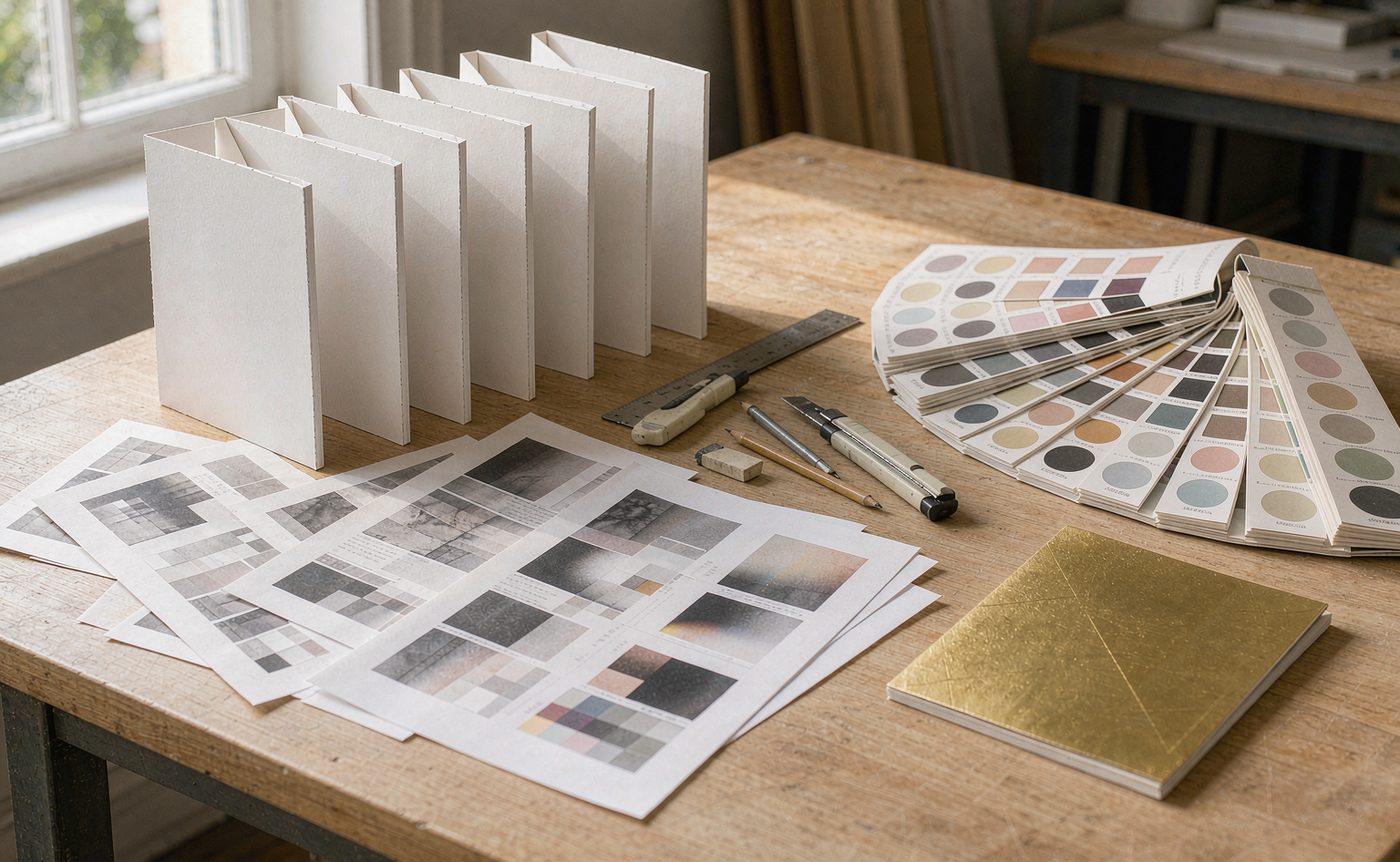
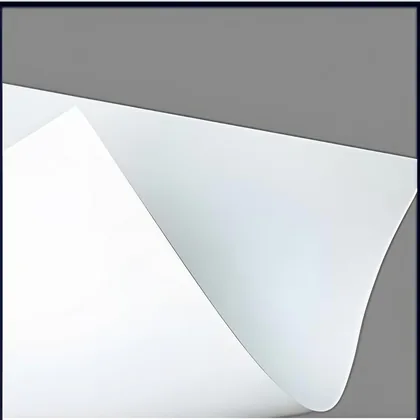
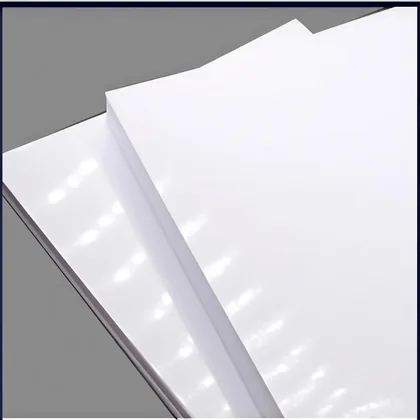
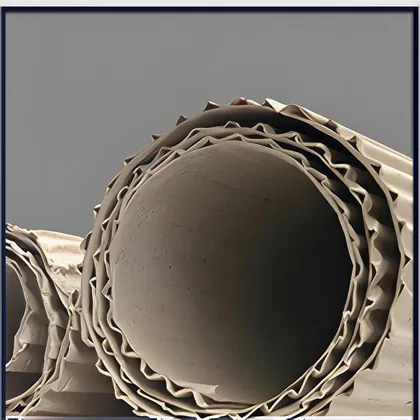
Board is the first decision and the hardest to judge on a screen. These are the nine we hold — ask for a swatch pack and we will post the ones you are considering.
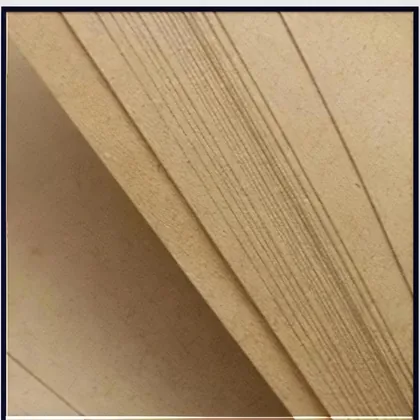


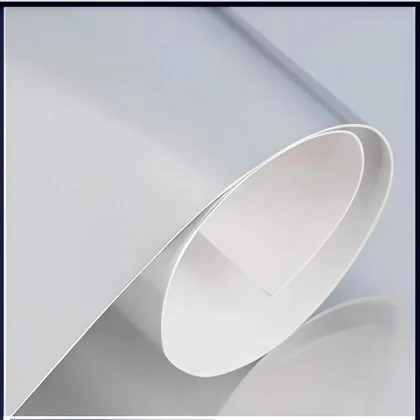
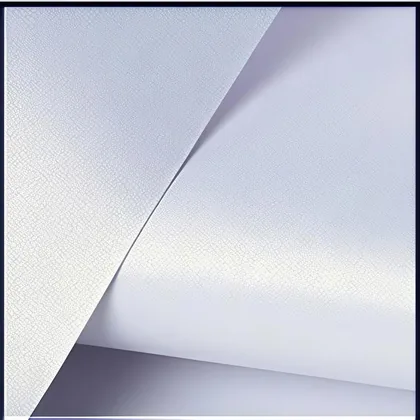
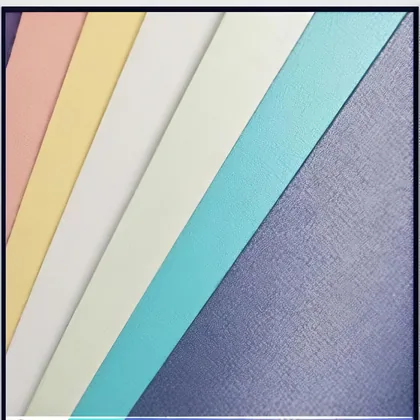
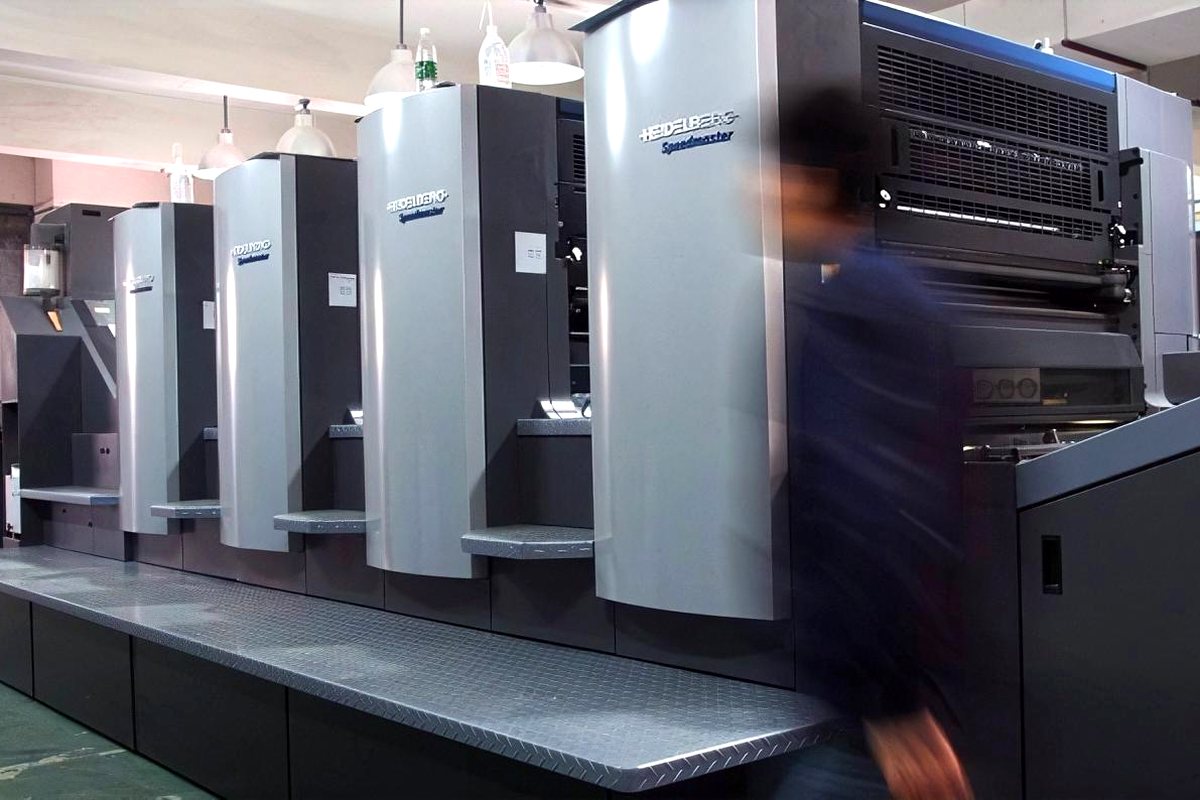
All finishing is in-house. That matters more than it sounds — outsourced foil is where lead times and registration drift.
| Process | Best for | Notes |
|---|---|---|
| Offset, 4C + Pantone | 1,000+ units | Standard for supplement cartons. Pantone matching to your brand guide. |
| Digital print | 100–1,000 units | No plate cost. Good for test launches and short seasonal runs. |
| Matte / gloss lamination | All runs | Matte hides scuffing better; gloss gives more contrast. |
| Soft-touch lamination | Premium lines | Velvet feel. Requires 350 gsm minimum to avoid curl. |
| Spot UV | Accent areas | Register to ±0.2 mm. Usually paired with matte. |
| Hot foil stamping | Logo, borders | Gold, silver, copper, holographic. Adds 3 days. |
| Emboss / deboss | Logo, texture | Blind or registered. Needs a brass die — one-time cost. |
| Window patching | Visible product | PET or PLA film. Food-contact grade available. |

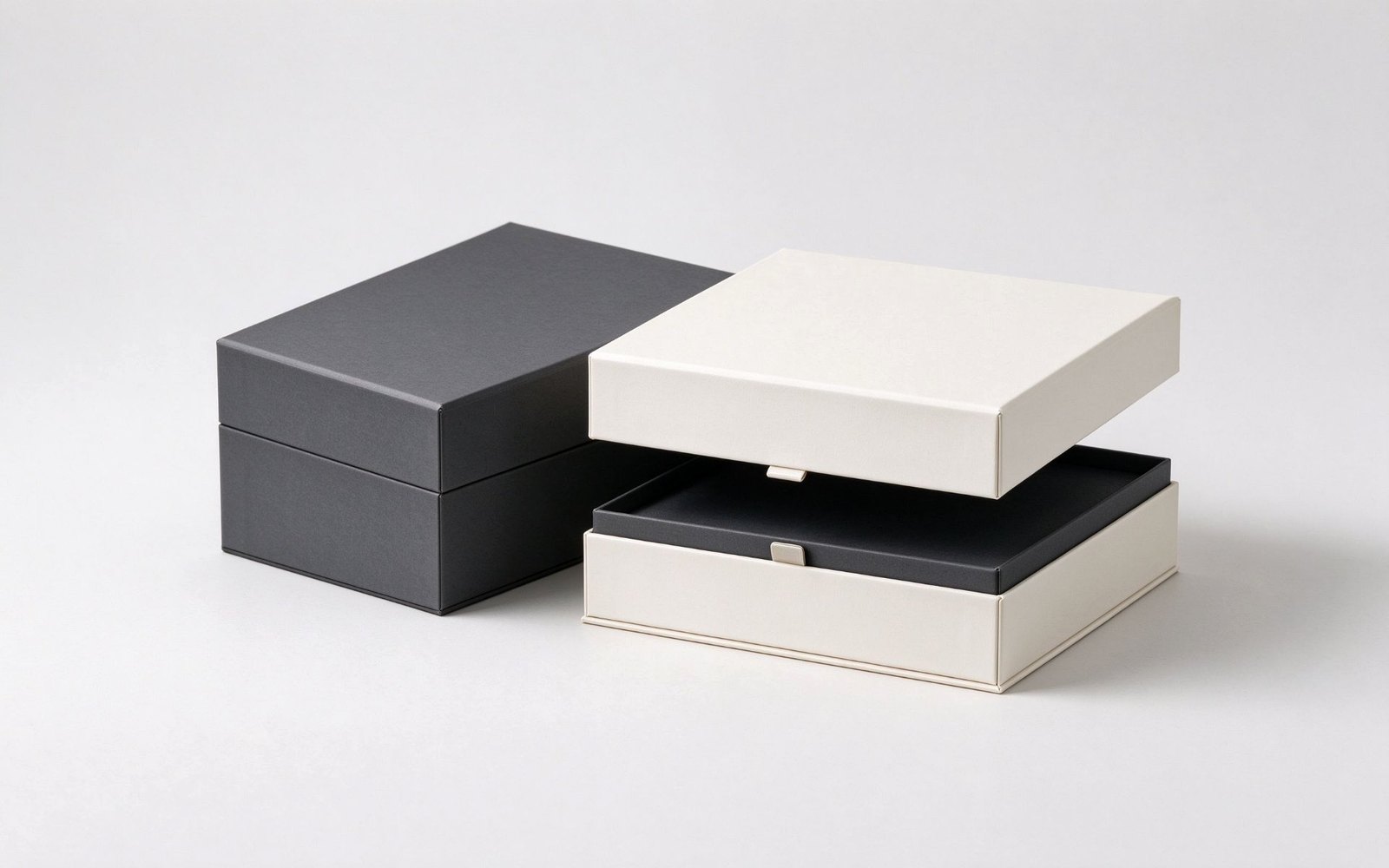
A rigid box is a sandwich. 2.0–3.0 mm grey board gives it the shape, printed paper is wrapped over the outside, and a lining paper goes on the inside so the interior is as finished as the exterior. Magnets are set into the board before wrapping — they never show.
That is four hand operations per box: cut the board, wrap the outside, line the inside, set the insert. It is why the unit price runs roughly twice a folding carton — and why the format still reads as expensive on a shelf.
The box is the outside. The insert is what stops the bottle moving, keeps the cap off the lid, and decides whether the box feels cheap or expensive the moment it opens. All eight are cut to your bottle drawing — send the OD, the cap diameter and the height, and we come back with the tray that fits.
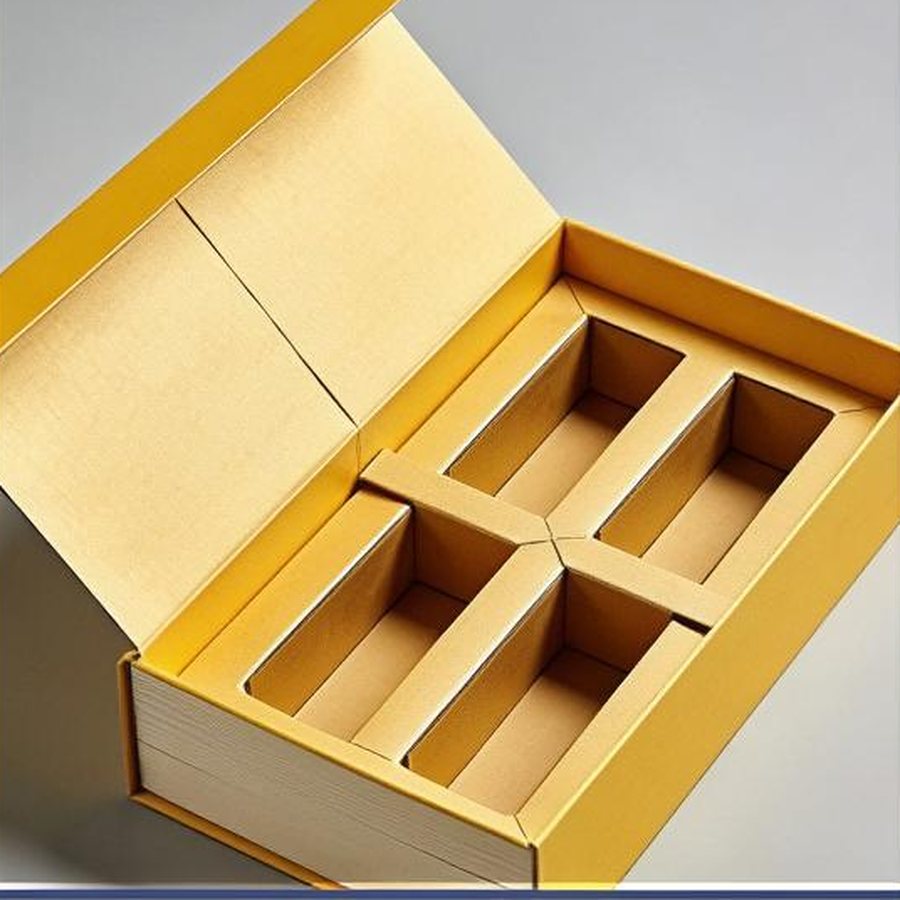
Die-cut and folded from 350–700 gsm board, with glued dividers. No mould, no tooling fee, one material — the cheapest insert that still looks deliberate.
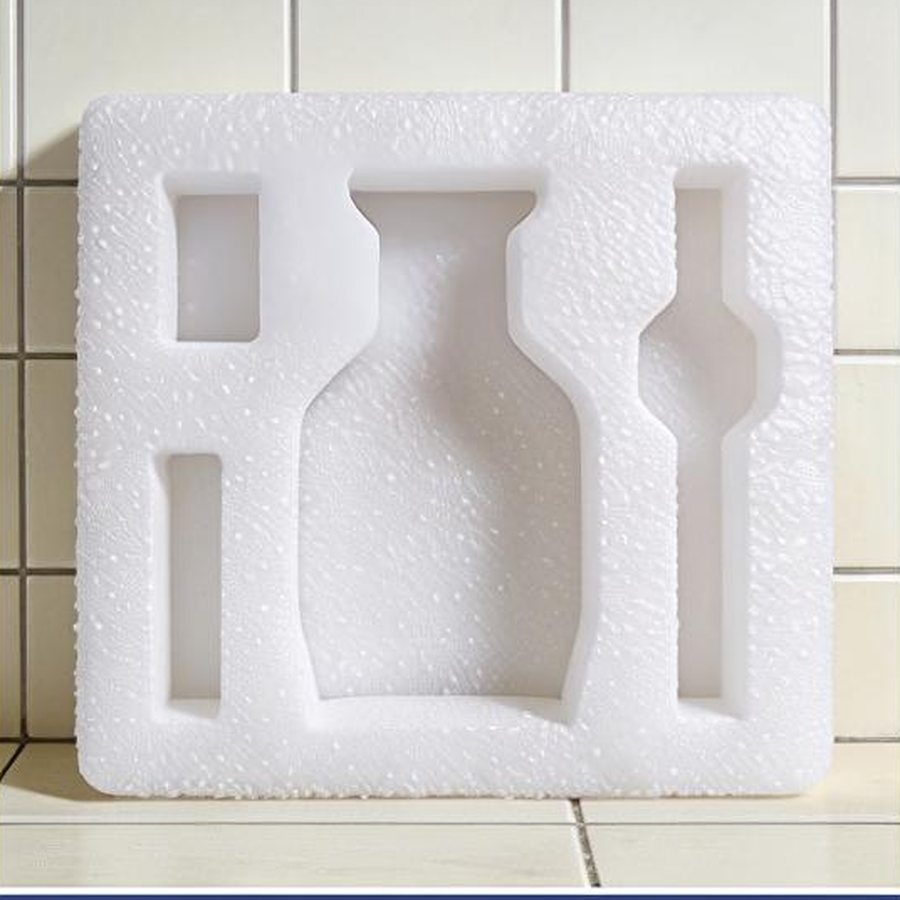
Expanded polyethylene, cut with a knife die. The most protection per millimetre and the lowest unit cost in the foam family.
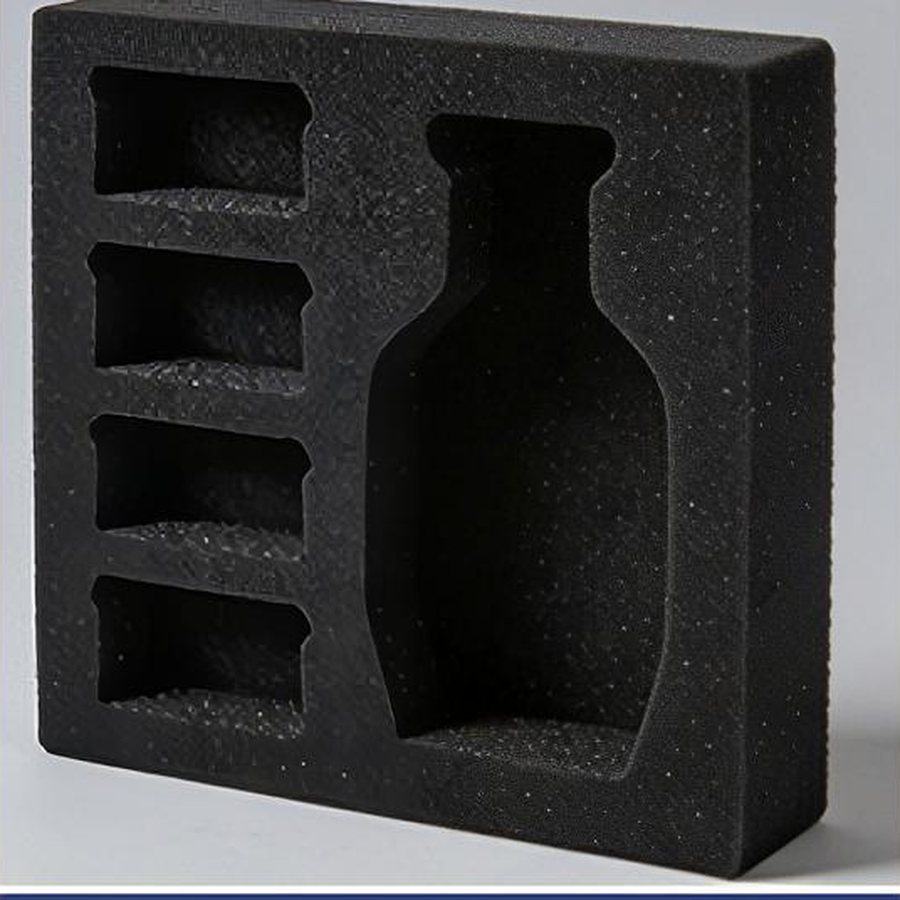
Solid PU block, routed or die-cut. Takes awkward shapes — droppers, scoops, sachets — and absorbs drop energy better than a thin tray.
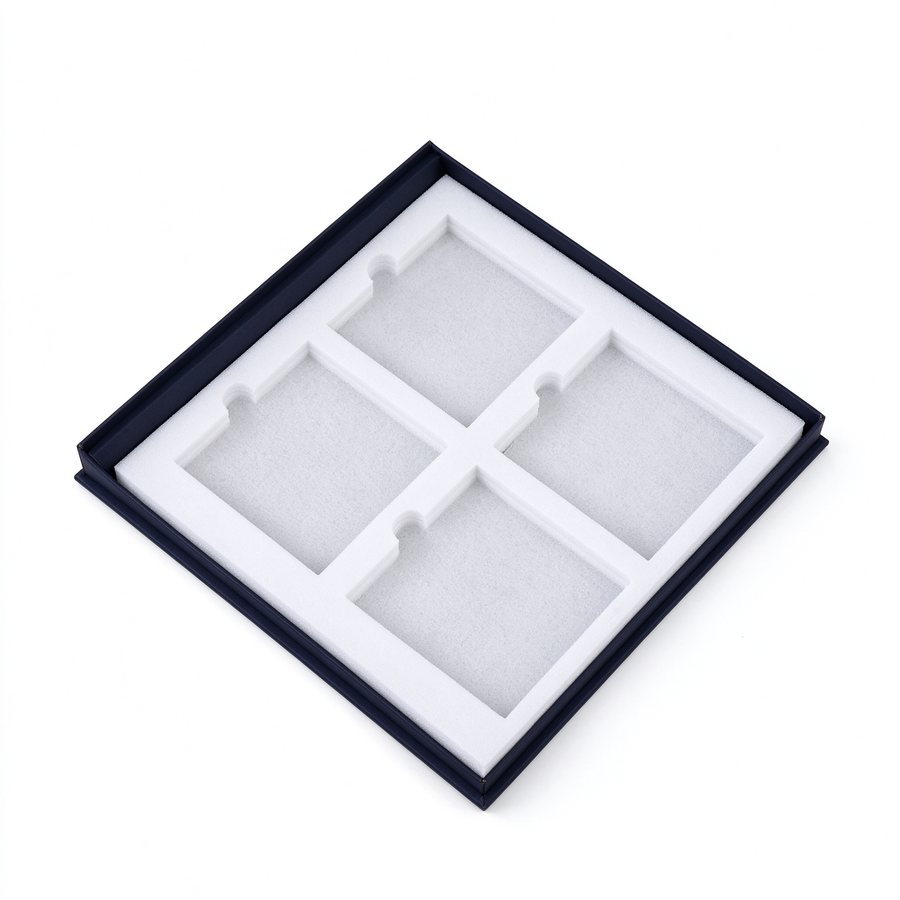
PU foam set into a board shell, so the tray keeps its shape when the lid comes off. Four cavities from one die, no injection mould.
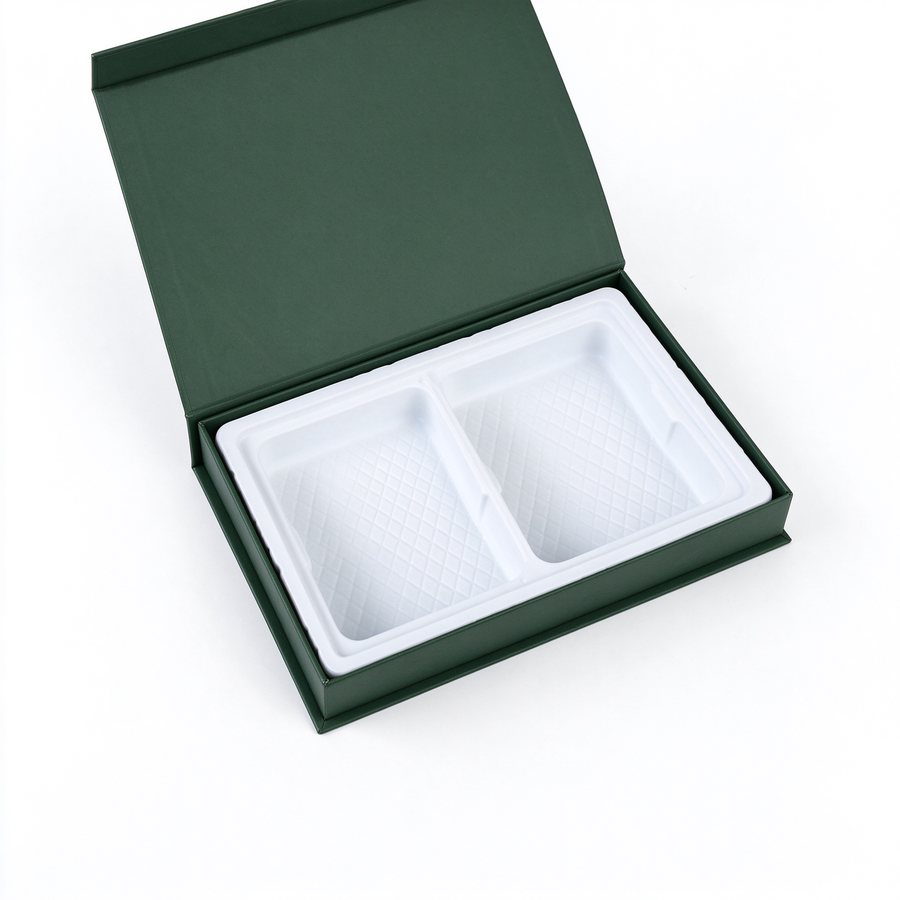
PET at 0.4–0.8 mm, vacuum-formed over a single mould. The product shows through, and it is the cheapest moulded tray to tool.
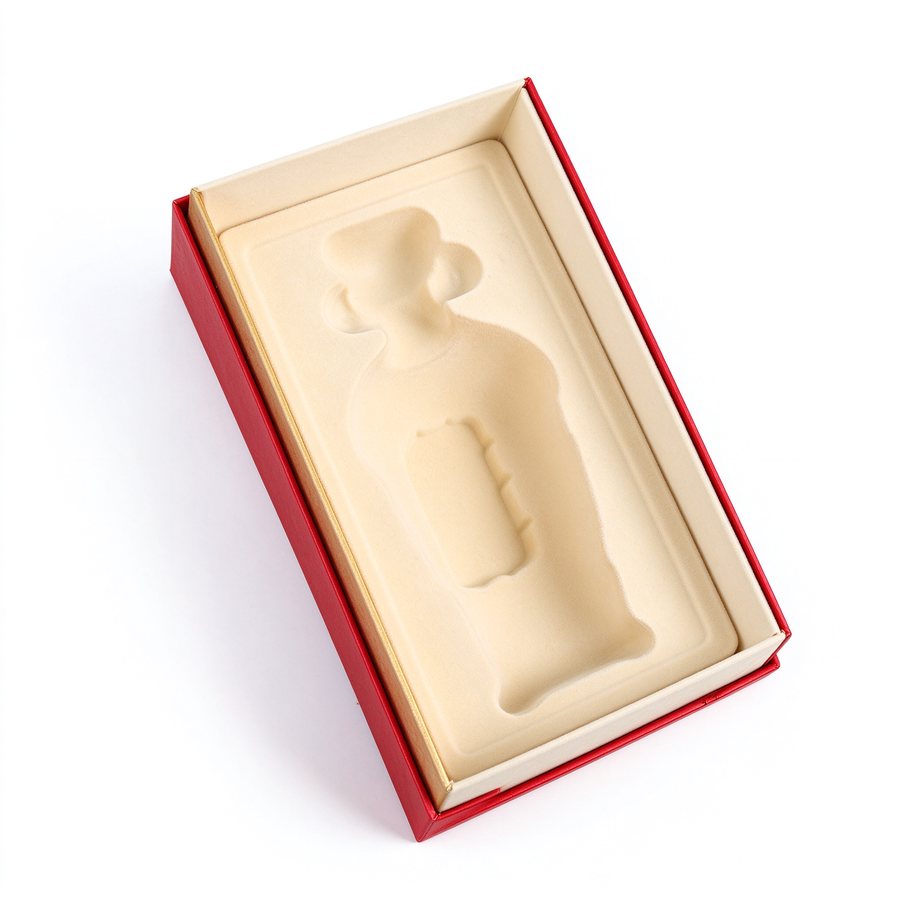
The same PET tray, sprayed with nylon flock. Soft to the touch, hides scuffs, and the default finish on supplement gift sets.
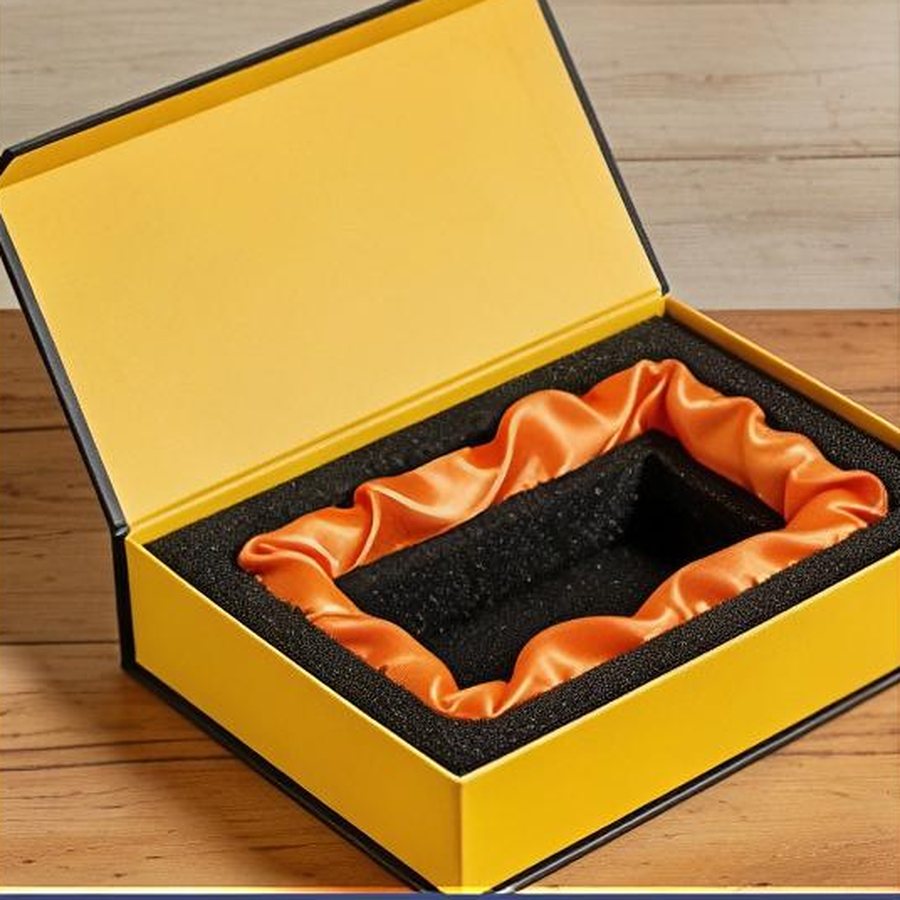
Satin wrapped over a die-cut foam base, so the fabric frames the cavity instead of covering it. Most of the silk look, about half the handwork.
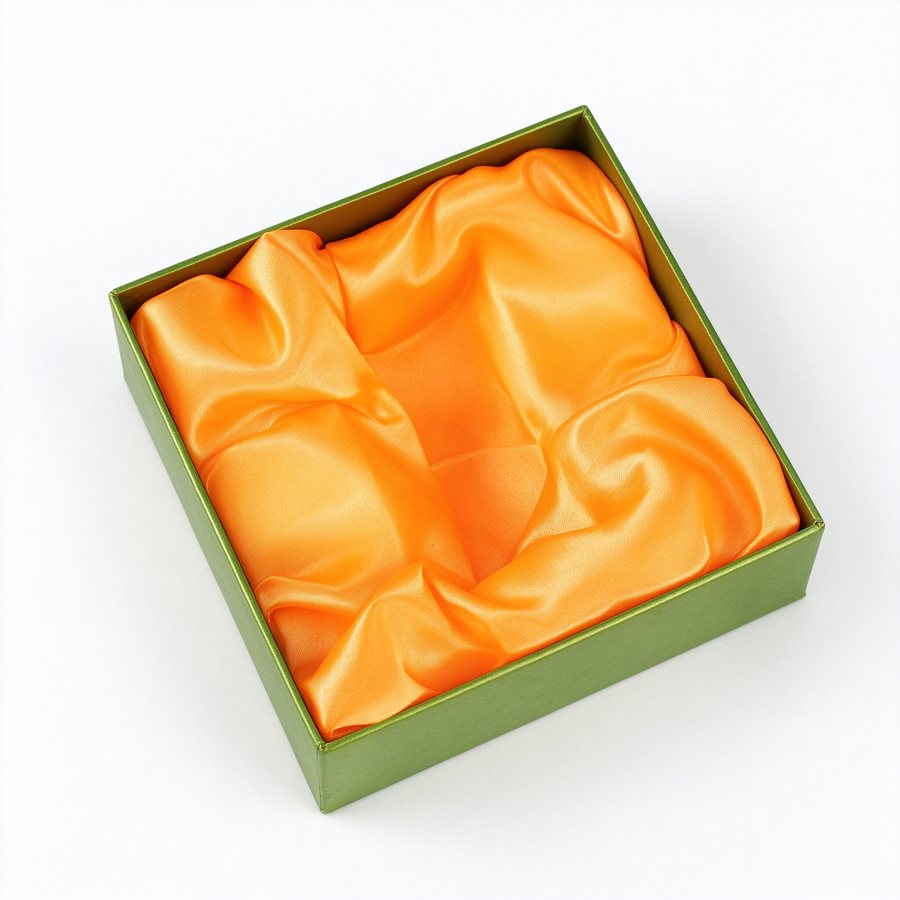
Satin draped over a foam core and finished by hand at the corners. The highest perceived value in the box — and the slowest thing we make.
The insert is quoted with the box, never as a separate line. If your current supplier prices the tray on its own, ask what the tray is made of — the answer usually explains the number.
| If the priority is | Choose |
|---|---|
| Lowest cost at 5,000+ | Paperboard insert |
| Plastic-free, single material | Paperboard insert |
| Transit protection | EPE pearl cotton |
| Bottle plus accessories in one box | Foam block or foam tray |
| Product visible through the tray | Blister tray |
| Premium unboxing, supplement sets | Flocked tray |
| Gift set or limited edition | Silk lining |
An insert is only as good as the drawing behind it. Five numbers and we can price it the same day.
These are the numbers we hold on every run. If a spec sheet from another supplier does not state them, ask why.
| Die-cutting | ±0.5 mm |
| Print registration | ±0.15 mm |
| Colour match | ΔE ≤ 2.0 against approved proof |
| Board caliper | ±5% |
| Glue bond | Fibre tear on 100% of sampled units |
| AQL sampling | ISO 2859-1, level II, AQL 2.5 |
Send files in this format and we can go straight to proof. Anything else costs a day of back-and-forth.
We supply the dieline for your exact size from the configurator on the home page — download the SVG and drop your artwork onto it.
Lead time is production only. Add 3–5 days for a physical proof and 30–35 days for sea freight to the US west coast.
| Configuration | MOQ | Production |
|---|---|---|
| Offset, 4C, matte lamination | 1,000 | 12–15 days |
| Offset + foil or emboss | 2,000 | 15–18 days |
| Digital print, short run | 100 | 7–10 days |
| Crash-lock, automatic line | 3,000 | 15–18 days |